How the technique works
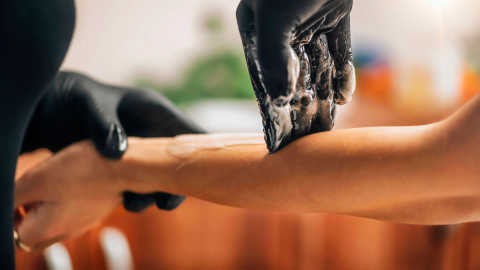
Our therapists apply firm, focused pressure with slow strokes to access deeper muscle layers and adhesions beneath the superficial tissues. By working past the surface tension, they can identify localized knots and restricted fascia, then use sustained pressure to encourage release. The approach emphasizes client feedback so pressure is adjusted for comfort and effectiveness throughout the session.
A 30 minutes session is intentionally focused: therapists concentrate on one or two problem areas rather than treating the whole body. That shorter window shapes technique — pressure is concentrated, and connective tissues are assessed quickly to prioritize the most symptomatic muscle groups. Clients should expect focused relief rather than a full-body treatment.
What to expect during session
Appointments begin with a brief intake and conversation about areas of pain, medical considerations, and pressure preference. Because many clients schedule after commutes from Manhattan and nearby Queens, therapists prioritize efficient assessment so the 30 minutes are used on the highest-need spots. Open communication during the massage guides pressure and pacing.
Expect focused hands-on work and possible post-session sensitivity in treated muscles for a day or two; this is a common response as deeper tissues settle. Wear comfortable clothing to the appointment and allow a few minutes after the session to reorient. Evening and weekend slots are common, so consider timing around Astoria Park events or nearby museum evenings when booking.
Choosing session focus areas
In a 30 minutes session, the therapist and client agree which specific area or two to prioritize, balancing depth against breadth. Prioritizing allows therapists to apply sustained pressure and repeated strokes to a focused site rather than skimming multiple regions. That choice affects immediate comfort and the likelihood of perceptible release during the appointment.
When choosing focus, tell your therapist about daily patterns that create tension — for example long commutes into Manhattan, standing on subway platforms, or frequent evening activities around Astoria. That context helps prioritize tissues most affected. If one session doesn't fully resolve deep adhesions, therapists will suggest how to sequence follow-ups without promising specific outcomes.